Your fireplace is a centerpiece of your home providing warmth, light, and a comfortable location for hosting guests and relaxing with family. When everything is working properly, there is no end to the benefits that a fireplace provides. However when a chimney is leaking, the thing that provides so much joy can suddenly be the source of a giant headache.
All Seasons Chimney knows the importance of a healthy fireplace and a healthy home. We are fully equipped to repair and help you maintain your chimney and fireplace. If you need quality care in Poughkeepsie, don’t wait to reach out.
What Are Common Signs of Chimney Leaks?
At first, the signs that your chimney has a problem can be subtle and difficult to notice. Which is why it’s important for you to keep an eye out for changes in how your chimney looks and how it functions. If you notice any of the following things, it could be time to get some repairs done before they become bigger problems.
Water Stains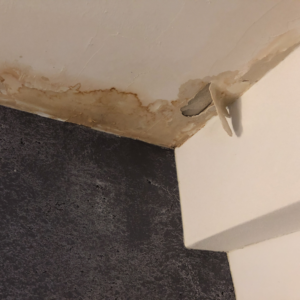
Water stains on the walls or ceilings around your fireplace or chimney are a sure sign of a leak. These stains often appear yellow, brown, or black, and they might appear seemingly out of nowhere. If not taken care of, these stains can quickly peel wallpaper, cause paint to crack, and even cause wood to begin to rot and mold.
Musty Smells
When soot that has collected on the inner lining of your flue gets wet, it can create a strong and musty odor. If you notice a musty or damp smell near your fireplace or chimney, it’s likely that there is water getting in somewhere. You may even notice mold or mildew growth.
Dripping Water
The sound of dripping water coming from your chimney means water is getting somewhere it’s not supposed to. At first, this leak may not create any visible signs of wear, but given time, it can damage your chimney and your home. Watch for water pooling in areas it shouldn’t be, like your firebox.
Damaged Masonry
Crumbling or deteriorating masonry on your chimney usually means you’ve experienced some type of water damage. Keep an eye out for cracking, gaps, spalling, and missing brickwork.
How Can Water Damage My Masonry?
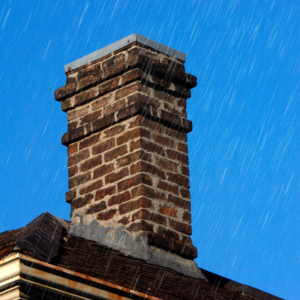
When water gets into a chimney it can wreak havoc on your masonry. Even though they seem impenetrable, bricks and mortar are actually full of tiny pockets and cracks. And when water or moisture from the air collects in these tiny holes it can cause devastating damage to your chimney.
Then, there’s the freeze/thaw process to worry about. When water collects in brick and mortar, fluctuating temperatures cause it to expand and then contract as it freezes and thaws. This process causes brick and mortar to crumble and break apart. Over time, as this process continues, more water is able to collect in the masonry – and thus more expansion takes place during a freeze. Eventually the structure will deteriorate to the point that it becomes a danger to your home and anyone living in it.
Can I Waterproof My Chimney Myself?
 Technically, it is possible to do something like waterproofing as a DIY project – that said, it’s something we highly discourage. Readily available waterproofing products that you might find at big box stores are generally not made to last a long time, and they’re often not vapor permeable, either. This means that any moisture already in your bricks cannot escape – and if the water is unable to evaporate out then it will continue to freeze and thaw until more damage is done.
A chimney waterproofing job requires attention to detail, as well as a knowledge of how water tends to collect on and around masonry and chimneys, and an untrained eye can easily miss important details. Our professionals here at All Seasons Chimney have the experience, training, knowledge, and certifications necessary to make sure that your waterproofing job is done completely and with lasting effects.
At All Seasons Chimney we use vapor-permeable products that are safe for your home and healthy for you masonry. Done well and done right, your waterproofing job can last for many years.
In addition to applying proper waterproofing materials, our expert eyes will make sure that every possible entrance for water will be guarded against, as well. We can spot problem areas that could cause damage in the future, and we can help repair these issues before waterproofing, so that your chimney and your home is as strong as possible.
Chimney Leaks Are No Match for Us
Our team is trained to know chimneys and make sure all their parts are working properly. Everything from the chimney crown and cap to the flashing and flue liner needs to be in working condition before waterproofing the chimney, and our experts will make sure any and all issues are promptly addressed.
As the wet months are upon us, it is time to give our team at All Seasons Chimney a call to schedule your chimney waterproofing services. Let us help you maintain the beauty and joy that your chimney and fireplace bring to your home. Dial 845-552-1701 or book online with us today.
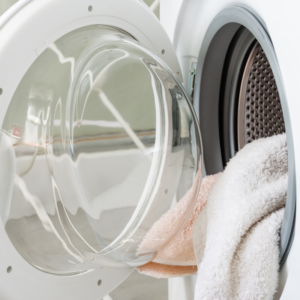 A dryer needs a way to let its used warm air out. In effect, your dryer needs to be able to breathe. Your lint trap is a filter that keeps the microscopic bits of fabric that naturally shed from your clothing out of your dryer’s airways, so they don’t trigger “breathing” issues. If the filter isn’t kept clean, then the air can’t easily get through, and your dryer will not work as efficiently – and it’ll put more strain on the appliance too.
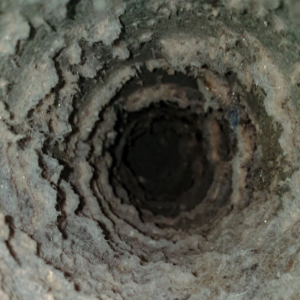 Another part of your dryer’s ability to breathe comes from the dryer vent. These vents take the hot air up and out of your home. Your lint trap collects most of the lint in your laundry loads, but it can’t collect it all – and over time, some of this lint will collect in your dryer vent. Because of this, it’s important that you have your dryer vents cleaned annually.