Company Blog

The Importance of Chimney Caps

Consider this: without a chimney cap installed at the top of your chimney, your home has a hole on the roof. Thinking about a chimney cap in this way illustrates just how important this chimney component is. However, All Seasons Chimney regularly sees chimneys without caps and chimneys with damaged caps, so we thought we would tell you exactly why chimney caps are so important to keep your chimney working efficiently and safely.
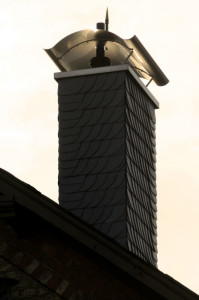
The Importance of Chimney Caps Image - Poughkeepsie NY - All Seasons Chimney

Protection From Weather

The most important function of a chimney cap is to prevent water from rain and melted snow from getting into your chimney. You may have heard us quote the Chimney Safety Institute of America (CSIA) by saying that water is the biggest enemy of a masonry chimney. If water enters your chimney, the bricks and mortar will absorb it, and this can lead to structural problems. During the winter, the water trapped inside the masonry materials of your chimney will freeze and expand. When this water begins to thaw out, it can create cracks and breaking in the bricks and mortar. This type of damage left unrepaired can cause tilting and leaning of the chimney and possibly even lead to a collapsed chimney. Protecting your chimney from water penetration with a chimney cap is one of the least expensive steps you can take as a homeowner.

Protection From Animals and Birds

If you have had trouble with birds or animals entering your chimney, you should consider installing a chimney cap with mesh metal siding to keep them from being able to get inside. When the temperature drops in the winter, birds and animals look for a warm, safe place to nest, and your chimney could be the perfect spot. These critters can cause expensive damage to the interior walls of your chimney, and their nesting materials can block the exit of your chimney, which can lead to a chimney fire or a carbon monoxide leak. Prevent birds and animals from being able to enter your chimney with the professional installation of a chimney cap.

Protection From Accidental Fires

That mesh metal siding that keeps birds and animals out of chimneys serves another purpose: preventing hot sparks and burning embers from jumping out of the chimney to land on the roof or in your yard and ignite an accidental fire. Also known as a spark arrestor, a chimney cap with mesh metal sides can go a long way in reducing the risk of accidental fires on your roof and in your yard.

If you need a new chimney cap, contact us at All Seasons Chimney. We can help you find the perfect cap or create a custom cap that we will install on top of your chimney to give you the ultimate protection against water penetration, animal invasion, and accidental fires.
Ivy Can Severely Damage Your Chimney

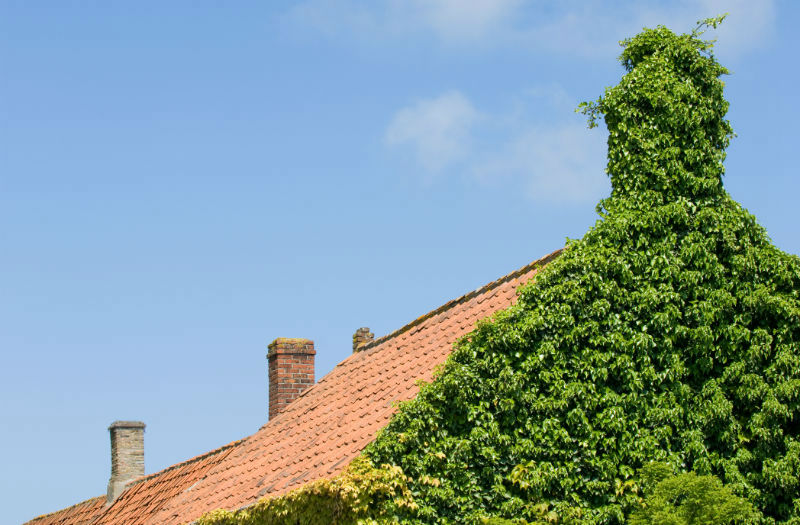
While the English ivy that is growing along your masonry chimney may look beautiful, it could be severely damaging your chimney. Brought to the United States by European immigrants over two centuries ago, English ivy grew quickly in popularity because it was such an attractive and low-maintenance groundcover. People soon learned, however, how invasive and aggressive this plant could be as it began to suffocate trees and cause structural damage. At All Seasons Chimney, we have seen the damage caused by this climbing vine, and we would like to share with you more about how ivy can cause major problems with your masonry chimney.

chimney-ivy-damage-image-poughkeepsie-ny-all-seasons

How exactly can ivy damage my chimney?

English ivy grows with clusters of roots along the stems, which excrete a sticky liquid to help it adhere to brick, mortar, concrete, and wood. If your masonry chimney is in good shape with no erosion or spalling damage, this climbing vine may grow along your chimney without causing any damage. However, if your chimney contains cracks in the bricks and mortar and is missing pieces of masonry, English ivy can grow into these cracks and even worsen the damage to the bricks and mortar. If your chimney was built before 1930, you can have an even bigger problem. According to Today’s Homeowner, homes built before 1930 were constructed with mortar that does not contain Portland cement, which means this mortar is much more likely to erode over the years. If your older chimney is currently covered with English ivy or another climbing vine, contact us at All Seasons Chimney to inspect the condition of your chimney’s exterior. You do not want to check this out yourself by attempting to pull the ivy away. If your chimney is cracked, the ivy has typically grown into these cracks, and pulling the ivy down can result in pulling down your entire chimney structure!

What other kinds of problems can result from ivy growing on my chimney?

Birds, rats, and other animals and insects love to live in ivy and can easily enter your home through the chimney or through missing pieces of bricks and mortar. Ivy can also trap moisture against the masonry of your chimney that can cause even further structural damage from erosion.

What can I do if I like the look of ivy growing up my chimney?

You can have the exterior of your chimney inspected for cracks and loose bricks to ensure the ivy cannot grow into the masonry. You may want to try to contain the growth of the ivy by training it to climb exactly where you want. You can also choose a less aggressive climbing vine, such as roses, that will not threaten the masonry work of your chimney. Installing some sort of support like a trellis for the vine to grow along is also an excellent idea for those who appreciate the look of ivy and climbing vines.

To prevent English ivy and other climbing vines from damaging your masonry chimney, contact us at All Seasons Chimney. We can inspect the condition of the exterior of your chimney and make recommendations for repairs, if needed.