
Looking for ways to keep your chimney better protected? Chimney waterproofing is a must when it comes to long-term protection from water damage… and many don’t realize that this time of year is the time to get it done!
Why springtime? Well, for one thing, we’re guessing your system isn’t seeing as much use. As temperatures go up, fireplace usage typically goes down, which makes now a perfect time to get any repairs or maintenance completed.
But more important than that is that waterproofing will actually work better when done in ideal conditions (i.e. in the spring or summer months). This is because there’s less chance for cold winds and bad weather to mess up the process, and your system will have ample time to soak in the waterproofing products in a more accommodating atmosphere.
If you’re ready to get this service completed, don’t wait any longer to reach out to our team. And in the meantime, here are some of the more common waterproofing-related questions we face.
How does water damage my chimney?
So, how is water a threat to your chimney? Well, your brickwork and mortar are both absorbent, so your masonry soaks in any moisture it’s exposed to fairly quick. And once water gets inside, it starts breaking things down, leaving you more likely to experience things like house fires, smoke exposure, and carbon monoxide leaks.
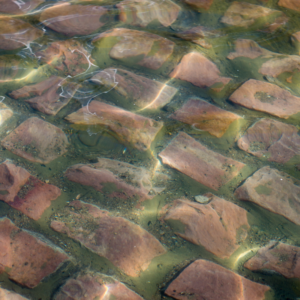 But your masonry isn’t the only thing that will suffer once water gets access to your system… You’ll also likely notice:
- rusted metal components
- rotted woodwork in your home
- staining on your interior walls and ceilings
- foul/musty odors
- deterioration in your firebox
- chimney liner damage
- clogging in your flue
- staining on your chimney exterior
- …and more!
My chimney looks fine… Do I really need to worry?
Water isn’t the quickest moving foe, but that doesn’t mean it isn’t doing damage. In fact, this false sense of security is often why homeowners end up facing big, expensive repair jobs down the line. It just slowly breaks things down until all of the sudden you notice a big crack in your chimney that never seemed to be there before.
The same goes for discoloration on your chimney. It may seem harmless enough, but this is a clear warning sign that trouble is amiss. White efflorescence, for example, is a sure sign of water damage. You may also notice vegetation growth, mold accumulation, or red rust stains – again, all signs of water invasion.
And if your system truly isn’t facing much damage… waterproofing is sure to keep it that way! All water needs is a tiny crack to enter through and from there you’re in trouble. Avoid damage by investing in waterproofing ASAP.
Why should I trust a professional?
Some customers question whether waterproofing is something they can do themselves. There are plenty of paints and sealers on the market that promote their ability to prevent water entry… so why not just purchase one of these?
Here’s the issue with most of these products – they’re not vapor permeable. As mentioned above, your brickwork is porous, so it’s likely your masonry has already absorbed water that still needs to get out. If you apply a product that isn’t vapor permeable, nothing will probably get in, but anything inside can’t get out, either… and your system will continue breaking down.
Another issue is that these products simply don’t look as nice. The sealers we use can be applied without altering the look of your system at all. No glossy shines, no filmy layers, and no discoloration. You’ll get the protection you deserve with no change to the aesthetic of your beautiful bricks at all!
Do waterproofing products seal my masonry completely? Doesn’t my brickwork need to breathe?
Your brickwork does need to breathe! This is actually one reason why trusting a professional is so important. Like we’ve said, the products we use are vapor permeable, so they protect your bricks and mortar, while still allow them to breathe out pre-absorbed moisture (along with any other necessary fireplace fumes and vapors).
Should I invest in repairs first?
Yes! It’s going to be in your best interest to ensure that all masonry repairs are completed and that any broken down parts are replaced before having your waterproofing done. That way, your newly restored and repaired system can stay protected and in tip-top shape for the long haul – no matter the weather outside.
What chimney parts need to be waterproofed?
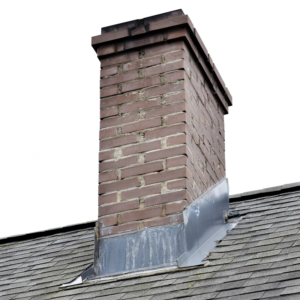 So, when most people think of waterproofing, they think of the sides of their chimney (i.e. the bricks and mortar)…. but are there other parts that need waterproofing, too?
You bet! Your chimney crown and your flashing should both be waterproofed, too, to ensure water doesn’t stand a chance of entering through any vulnerable spots or breaking anything down. The best way to ensure all of your bases are covered is to trust a pro.
How long will my waterproofing last?
Unfortunately, waterproofing isn’t a one-and-done type of job. Over time, the products will start to lose their effectiveness. If you want to ensure you’re getting the best from your appliance, be sure to follow your sweeps recommendations for scheduling more maintenance down the line.
The good news is that most waterproofing products last around a decade, so once completed, it’s not something you’ll need to think about in the near future. Just make sure it’s on your radar down the line!
Give Our Experts a Call Today
Did we miss anything that’s pressing on your mind? No worries! Simply give us a call and ask away – we’d be happy to answer it all.
And if you’re ready to book some maintenance, we’d be happy to help with that, too. We can get your annual inspection done, then perform any necessary repairs, sweepings, or installation work, so you are all set and ready to enjoy your fireplace once fall comes back around.
Let’s get started. Reach out to our experts now!
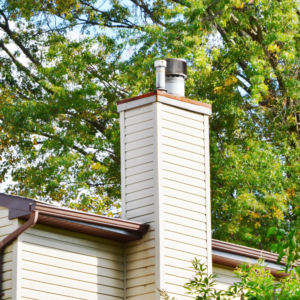 Another problem comes when birds return home from the south. Their springtime goals typically consist of building nests and producing young, and your chimney is an ideal spot for doing just that. But making themselves at home means defecating in your flue and bringing in all types of debris that trigger clogs and foul odors. And if they get stuck and pass away (which happens from time to time), then things will really take a turn for the worse.
 Here’s how to combat these: