It may surprise you that efficient fireplace use is not just about the fuel you use or heating system upgrades, though these are certainly important. But even what you do with that seemingly insignificant residue – the wood ash in your firebox – plays a part in using your fireplace for all its worth.
No matter the species of firewood you burn, your logs will leave behind ash, and too much ash in your firebox can hinder the goal of a hot, clear fire by restricting airflow to your logs. Which means regular removal is a must.
But before you reach for your shovel to empty out your firebox, keep these guidelines in line to get things done safely.
Leaving a Bit Behind – Yay or Nay?
Leaving some ash and embers at the bottom of your fireplace can assist with building future fires. Embers can remain hot for days and be used as an ignition source the next time you want to set logs ablaze, and the ash serves as a warm bed to keep them going.
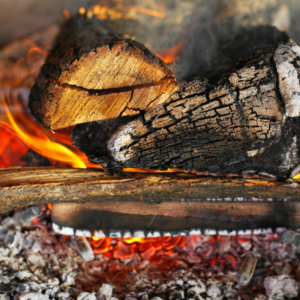 Wood ash also insulates your firebox. This is advantageous when starting fires because it means that your fire won’t need to expend so much energy heating the surrounding brick before it can really take off and give you that hot, crackling fire you’re after.
There are some exceptions, though. If the level of ash in your fireplace becomes excessive, stands in the way of building a fire, or if your fires seem choked, it’s definitely time to clear out some ash.
Just remember to keep that happy medium. You don’t want too much ash accumulation, but you also don’t want to leave your fireplace bare (at least not until the end of the heating season). We suggest keeping about a one-inch layer of ash in to really boost those future fires.
Strategies for Safer Scooping
You may have guessed by now that scooping small amounts of ash more frequently is better than doing a few massive clean-outs a season. What’s critical to remember, though, is that live embers may be present in your ashes. These can stay hot enough to start a new fire for days, despite looking deceptively cool.
Because of this, practicing caution any time you’re working with or cleaning up after a fire is imperative. We’ve got some tips:
✓ Wait at least 24 – 72 hours after your last fire. This is the best way to ensure ashes are cool and makes the removal process safer all around.
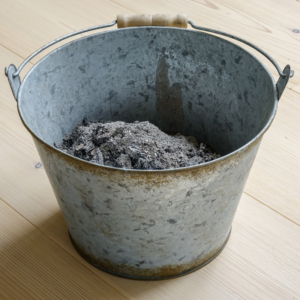
✓ Use a sturdy metal fire shovel to remove ashes. Then, dispose of them in a non-combustible container, such as a metal bin, with a tightly fitting lid. This reduces the likelihood of oxygen reaching hot embers and reigniting them.
✓ Stay aware and alert. Be alert to the possibility that you may uncover live embers as you move ashes. And if you do uncover some, move these carefully to the back of your firebox rather than putting them in your metal container.
✓ Store the container outside. Once you’ve scooped ash to a desirable level (about an inch), remove the fireproof container from your home and store it away from any structure. Even if the ashes appear cool, any live embers can retain heat for days and rekindle if they’re near something flammable.
Uses for Your Fireplace Ash
Not only can ash be used to insulate your firebox during the heating season, but once scooped and cooled, it has numerous uses in the home and garden, as well. Once cooled, keep these ideas in mind for putting your ash to good use.
 Traction on Ice: One immediate use is to provide traction in slippery winter conditions. Sprinkle ash on sidewalks and driveways to help keep your footing, or keep a small bag in the trunk in case it’s needed when you’re out and about.
- Smothering Flames: Keeping a bucket of ash near your fire pit gives you a means to put out wayward sparks or embers close at hand. Like sand, ash can smother small fires.
- Garden Growth: Mix wood ash with your compost to boost potassium and neutralize acidity. Your plants will thank you in the spring!
- Soil Boost: Ash can also be used as a soil amendment, depending on your soil’s pH levels. Like lime, wood ash has a substantial calcium carbonate content.
- Odor Neutralizer: Like baking soda, ash draws moisture and odors from the air. A small, open dish of it in a musty room or in your refrigerator will freshen air. It can also freshen up the fur of a pet who’s had an unfortunate skunk encounter!
- Pest Deterrent: In the garden, ash can deter snails and slugs, which have a high water content in their bodies. They’ll be hesitant to cross a line of ash, so use it to circle those tempting veggies.
- Cleaning: Surprisingly, ash has many applications in cleaning. It can help absorb an oil stain on your driveway, and since it’s a mild abrasive it can polish silver or remove soot from your glass fire doors when mixed with water to make a paste. If you’re crafty, you can even use it as a component in homemade soap!
Call Us in for Fireplace Maintenance
We know you want to use your fireplace for all it’s worth. Part of that includes the day-to-day maintenance of keeping those homey fires burning hot and steady. But expert maintenance at least annually will also keep your system in prime working order and can save you from experiencing advanced deterioration.
If it’s time for a routine chimney sweep, inspection, or maintenance, be sure to reach out to get on our schedule! Call 845-375-3640 or request an appointment online today.
 The most important thing to keep in mind when selecting firewood is that suitable water content is key. Almost every living thing contains water, and that includes the tree your firewood was cut from. Much of this moisture must be gone before the wood will burn well.
  engineered woods (such as plywood and particleboard)