Company Blog

Old Wood Stoves Need Replacement by Safer, More Cost-Effective Stoves

A wood stove, also known as a free-standing stove, serves as a heat source for many homes. The steel unit stands freely in the middle of a room and features a flue that vents directly out through the roof. Used for many years as a convenient way to heat a room or home, these stoves require a continuous source of wood to maintain the fire that provides heat. Wood stoves serve similar purposes as a fireplace, but there are some important differences. Specifically, older wood stoves can pose more health risks than open fireplaces, so replacing an outdated wood stove with an EPA-certified stove can drastically improve your quality of life.

How is my Wood Stove Dangerous?
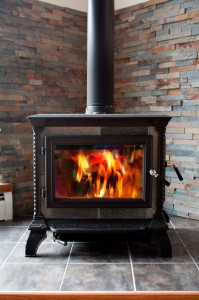
wood-stove-poughkeepsie-ny-all-seasons-chimney

Many people view wood stoves as more energy efficient than traditional fireplaces, because the stoves burn wood more slowly and produce comparable heat. The wood stoves burn wood more slowly due to the restricted air flow to the fire. When the wood burns with less air, the production of a compound called creosote increases. Creosote is a tar-like material composed of a variety of chemicals and has been known to cause serious health issues.

According to the Center for Disease Control, the danger of creosote  includes a wide range of devastating health effects. Creosote can float through the air in the home when the wood stove burns, and this can result in issues such as eye damage, bronchitis, lung cancer and skin cancer. When creosote settles on food or food preparation areas, the compound can be ingested. This has been known to cause liver and kidney damage, chemical burns in the mouth and throat, convulsions and even death. Creosote also passes through the placenta of pregnant women and has caused birth defects such as a cleft palate.

All in all, creosote is a dangerous compound you don’t want in your home. Older wood stoves are less efficient and produce more creosote, so the EPA has revamped wood stove codes and recommends replacing your wood stove with a newer, safer model.

What is Different About the New Wood Stoves?

The risk involved with continuing to use an outdated wood stove in your home is impossible to ignore. By replacing your wood stove with a new, EPA-certified wood stove, you will receive a safer-burning unit that can even save you money.

Every EPA-certified wood stove burns cleaner than non-certified wood stoves. These new stoves utilize improved insulation and air flow, so the wood burns more thoroughly inside the unit, less creosote forms and the health risks drop dramatically. In a properly installed certified wood stove, significantly less smoke seeps into the home and the flue emissions are generally invisible, meaning they are cleaner.

EPA-certified wood stoves can also save you money compared to the cost of running your old stove. Expect to use up to one-third less wood in an updated stove. When the smoke from your old stove leaves your home with a black or gray color, that indicates wasted energy. In the new stoves, most of the particles that cause the smoke to have a color are burned instead to produce more energy and heat. For this reason, newer stoves produce almost no visible emissions.

How Can I Get a New Stove?

If you live in New Windsor, New York or the surrounding area, contact All Seasons Chimney for a professional consultation. Your new stove will also require regular inspections to ensure safety, which All Seasons Chimney can provide more information on.

All About Carbon Monoxide

All About Carbon Monoxide

One of the more dangerous by-products of combustion, carbon monoxide is a poisonous gas you do not want entering your home through your chimney and fireplace. Also known as the “silent killer,” carbon monoxide has no odor or color, so it can be impossible to know if you have a high level of carbon monoxide without a detector installed in your home. Most often, the first sign to the presence of this toxic gas in your house is the development of flu-like symptoms in members of your household, the first sign of carbon monoxide poisoning. All Seasons Chimney knows how to prevent carbon monoxide from even getting into your home and how to repair the damage causing the leaks of this gas. We would like to inform you about carbon monoxide and its dangers, with the help of the Chimney Safety Institute of America (CSIA).

It is called the "silent killer," because only a detector installed in your home can let you know it is present.

It is called the “silent killer,” because only a detector installed in your home can let you know it is present.

According to the CSIA, carbon monoxide poisoning is responsible for the deaths of over 200 Americans every year, and approximately 10,000 injuries due to inhaling carbon monoxide are diagnosed annually. However, the symptoms of early exposure to carbon monoxide are extremely similar to those of the common cold and/or flu, such as sneezing, coughing, headaches, nausea, dizziness, and fatigue, and people can go for months without being officially diagnosed with carbon monoxide poisoning. If a person is exposed to carbon monoxide for a long enough period of time before being diagnosed, serious health issues can occur, such as brain damage and damage to the heart and other internal organs. If you ever develop long-term flu-like symptoms that linger, ask your doctor to give you a blood test that will check for carbon monoxide levels in your blood to properly diagnose you.

Why is carbon monoxide poisoning on the rise? Homes today are so much more airtight as people are going to greater efforts to seal off windows, doors, and other areas where air can leak inside, and this does not allow fresh air to enter the home. Nor does it let polluted air leave easily. Without air ventilation, furnaces and boilers are starved of the oxygen needed to burn fuel completely, producing carbon dioxide. Other causes of carbon dioxide entering your house through your chimney and fireplace include damaged, cracked, or deteriorated flue liners, creosote buildups, and animal or bird nests blocking your chimney flue.

You may be wondering how you can prevent carbon monoxide and other toxic gases from entering your home. According to many organizations including the CSIA, the US Consumer Product Safety Commission, the US Environmental Protection Agency, the American Lung Association, and the National Fire Protection Association all strongly recommend you practice proper maintenance of your fireplace and chimney by having them cleaned and inspected every year to prevent carbon monoxide leaks. To keep you and your family safe from the dangers of death by carbon monoxide poisoning, have your chimney swept once of year by a CSIA-certified company like All Seasons Chimney.

If you have more questions about carbon monoxide poisoning, contact All Seasons Chimney today to get our professional and expert advice about keeping your house safe from this toxic gas.