Company Blog

Seal Your Chimney Flashing Before It’s Too Late

Summer has officially come to an end, and now it is time to look ahead to the exciting change of seasons. The colorful leaves and chilly weather has everyone in the season spirit. The upcoming holidays are also on a lot of people’s minds as the end of the year approaches. This is usually a happy time of year, and no one wants to think about keeping their roofs from leaking, or even about a roof that is already leaking. However, now is the best time to take care of any roof leaks because the frigid winters in the Hudson Valley make roof conditions too dangerous to work on until spring comes around again.
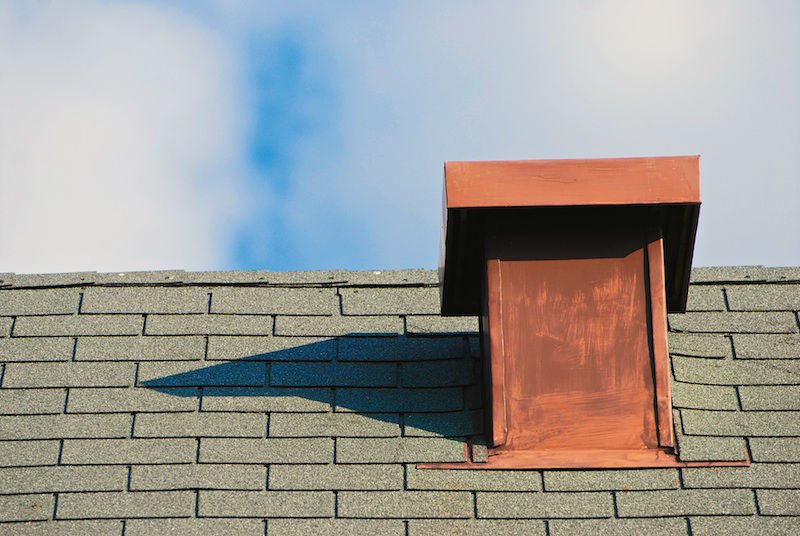
chimney-flashing-new-windsor-ny-all-seasons-chimney

Chimneys are responsible for a surprising number of water leaks into the house. Without a chimney cap, water can enter directly through the top of the chimney. If the masonry is improperly sealed, water can travel through the brick and mortar, right into the house. While these issues deserve a column of their own, leaky flashing is the topic of today.

Flashing is a covering used to stop water from leaking beneath the roof shingles. It can be found anywhere the line of the roof ends, such as around dormers or sky lights. Chimney flashing prevents water from leaking in where the chimney protrudes from the roof. Generally made of aluminum, the flashing on a chimney is much more complex than flashing on other areas of the roof. It consists of four woven layers of flashing all sealed with mortar to prevent premature decay.

While the mortar that holds the flashing together holds up longer than other materials some nonprofessionals use on their flashing, it is not indestructible. If not maintained properly, mortar will eventually deteriorate. It is a porous material, so when exposed to water, the mortar absorbs it readily. Then, around winter time, the saturated mortar expands and contracts during the freeze and thaw cycle. This inevitably results in cracks, and in turn, a leaky roof. In order to prevent a leaky roof and to maintain the integrity of the flashing, you can have your mason seal the flashing around the chimney.

Applying a sealant to your flashing keeps the aluminum and the mortar out of direct contact with the elements. The waterproof sealant prevents water from seeping into the mortar or even into your home. For the ambitious do-it-yourself types, be aware that poorly serviced flashing will not last as long as properly maintained flashing, and it could even cost you thousands of dollars in water damage repairs.

If you live in the Hudson Valley area of New York, contact All Seasons Chimney for a professional consultation. Take care of your home and chimney before it is too late.

Cap Your Chimney to Keep Your Home Safe

Usually made of copper or stainless steel, a chimney cap is a small metal apparatus that connects to the top of a chimney. Chimney caps are reasonably priced and any professional chimney sweep company can install one for at low cost. Even though chimney caps cost relatively little money and are easy to install, not all homes have them. Some homeowners do not know they need a chimney cap. Others simple do not realize how very vital a chimney cap can be for the home and fireplace. In fact, chimney caps offer protection from all types of dangers. However, the most common issue chimney caps fight is the infestation of small animals and pests.

Chimney-cap-new-windor-ny-all-seaons-chimney

Chimney Caps and Pests

During bitter New York winters, everyone wants to keep warm, particularly small animals that have few options in the dangerously cold weather. In an effort to see it through to the spring, birds and squirrels find the warmth of the chimney very appealing. In addition, the confines of the chimney make the animals feel safe, and it protects them from direct contact with the elements. For these reasons, birds and squirrels will not hesitate to make a cozy winter home out of your uncapped flue.

While the animals may enjoy the advantages offered by hiding away in the chimney, eventually this arrangement will have serious consequences. The only reason homes have chimneys is to prevent toxic gases in the fireplace from permeating the home by expelling them outside. Particularly with wood burning fireplaces, the chemical process of burning wood produces dangerous materials. Messy soot floats around in the smoke, burnt wood produces creosote, and combustion produces carbon dioxide. While soot only results in a messy fireplace and house, creosote and carbon monoxide can cause negative health effects and even death. It is essential for the health of everyone in the home that these gases have a way to escape. When an animal makes a nest in the chimney, the exit for the toxic gases has become obstructed. This creates a back-up in which the smoke and all the toxins in it are forced back into the home with potentially fatal consequences. Because a chimney cap is an affordable option that prevents all of this risk, the decision to install or update a chimney cap is an easy one.

Installing a Chimney Cap

Many big box retailers offer chimney caps at very low prices. Beware, however, that these chimney caps are low quality and not guaranteed to fit your chimney. They will deteriorate quickly and require replacement often. Additionally, installing a chimney cap on your own can be very dangerous. In order to avoid investing in a low quality chimney cap and putting your safety in danger by installing one yourself, contact a chimney sweep company. If you live in the Hudson Valley area, contact All Seasons Chimney for a professional consultation. Along with your next annual chimney sweep and inspection, the serviceperson will inspect your chimney and provide you with expert advice on choosing a chimney cap. All Seasons Chimney will supply you with a high quality cap with a long life span, and they will install the chimney cap safely and precisely for an affordable price.