The seasons finally transitioned, and autumn is in full force. Chilly winds have started stripping trees of their colorful leaves, and everyone is digging up their cold weather clothes. In New York, the cold weather sets in fast, so many people have already started to think about heating their homes. For the homeowners who use fireplaces or stoves to heat the house, a little extra work is in order to keep the heating appliance functioning safely. Every year, the fireplace and chimney need to be professionally swept and inspected. This should cover most of the bases to keep your home and family safe. One little piece that sometimes goes forgotten though – the chimney cap and it deserves a bit more attention.

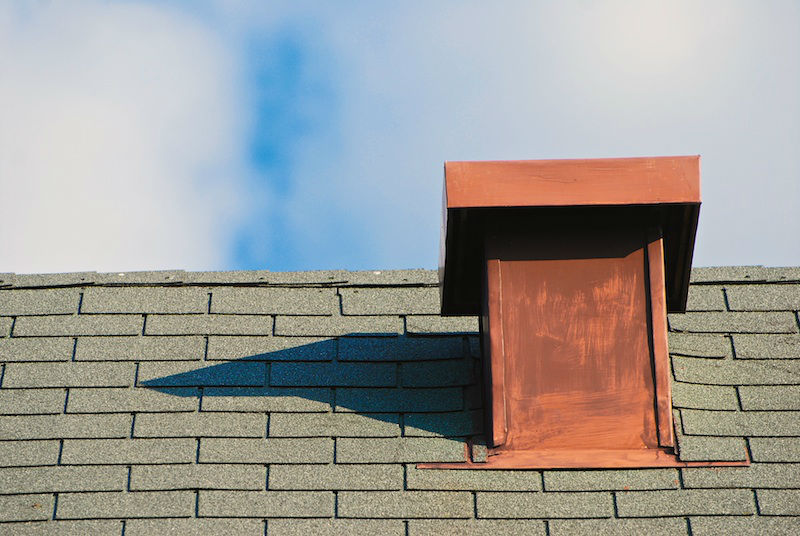
The chimney cap sits on the very top of the chimney and serves as a cover for the inside of the chimney. They are relatively inexpensive, usually made of copper or steel, and are too often forgotten about, especially considering how important they are. Chimney caps have the simple yet vital purpose of preventing objects that do not belong in the chimney from entering in the first place.
Common but troublesome chimney visitors are little animals looking for a warm place to stay. A recently used fireplace creates a warm chimney that attracts birds and squirrels. These critters only want a cozy place to weather the upcoming winter, but this can cause some serious problems for you. Any kind of obstruction in your chimney prevents the smoke and other toxic gases from properly venting. As a result, these gases backtrack right into your home, which can have potentially deadly consequences like carbon monoxide poisoning. You can easily prevent this issue by having a well-fitted chimney cap installed.
Another purpose of the chimney cap is to keep water from leaking inside. It surprises some homeowners that water can actually cause extensive damage to your chimney. The water will rust the steel flue lining, causing it to deteriorate. This then exposes the interior of the chimney structure to water. If you have a masonry chimney, the water will absorb right into the structure and degrade the materials throughout the freeze and thaw cycles of winter. The chimney may eventually crack or even collapse. Water can also seep all the way into your fireplace and rust your damper assembly. You may even see water damage on the walls and ceiling surrounding your fireplace. All of this damage can add up to a lot of money in repairs, so spending a little upfront for a chimney cap does not seem like such a bad idea after all.
When your mason stops out to sweep and inspect your chimney, ask him or her to look at the chimney cap. It may be damaged or even missing completely, but your mason can give you the best advice on how to proceed. If you live in the Hudson Valley area and think your chimney needs a new cap, contact All Seasons Chimney for a professional consultation.