Company Blog

When to Replace Refractory Panels

Winter is just around the corner, and weather experts have forecasted another brutal winter. After the frigid 2013 to 2014 winter, everyone has staying warm on their minds. Keeping warm means bundling up in a jacket, scarf, and hat when heading outside. However, keeping warm has different requirements for those staying indoors. In many homes throughout Hudson Valley, a fireplace plays a big role in warming up the space. With increasing popularity, homeowners are having factory built fireplaces installed as new additions or in place of old, degraded fireplaces.
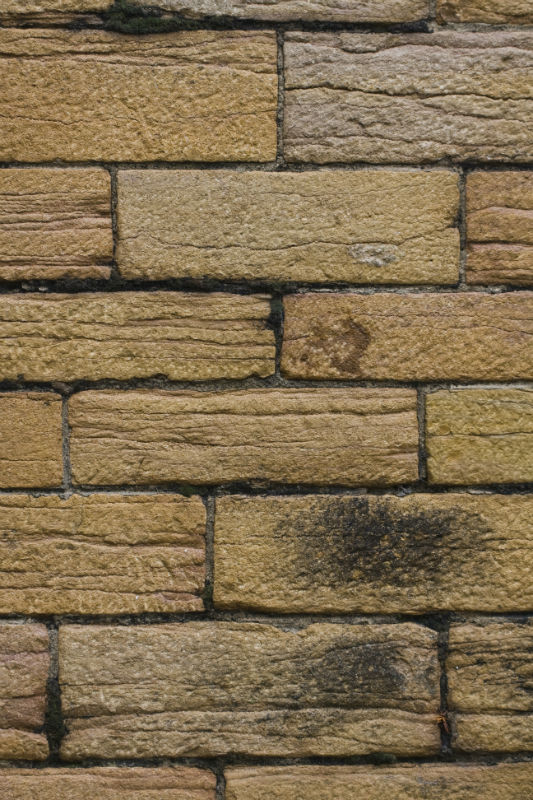
refractory-panel-picture-poughkeepsie-ny-all-seasons-chimney

A factory built fireplace is exactly what it sounds like: a firebox unit manufactured off-site and brought to a home for installation. The lightweight materials allow for easier installation than a masonry fireplace and chimney because it has fewer foundation requirements. A factory built fireplace also costs significantly less than a custom made or masonry fireplace since the factory built units are mass produced.

Generally made of metal, factory built fireplaces have special insulated walls. These walls protect any nearby combustibles, like woodwork and drywall, from experiencing excess heat from the fire. On top of these walls lay decorative panels that are visible from the inside of the room. The panels, known as refractory panels, can have different colors, designs, and textures to help customize the look of a factory built fireplace.

Refractory panels serve two main purposes. The most important purpose is protection as part of the insulative barrier between the home and the fire. It takes the brunt of the fire’s heat and stands up to the high temperatures fire after fire. Without these panels, unintentional house fires become a very real risk. Refractory panels also direct heat into the home, as suggested by the name. The panels sit on angles designed to direct the fast-moving hot air into the house. This increases the efficiency of the fireplace significantly, meaning you spend less money because the fire uses less fuel to create more heat.

Because of the extreme environment of the refractory panels, they do require regular inspection and even replacement to keep the fireplace functioning safely. An expert chimney inspector can help you determine if the panels need replacement, but you can also keep an eye out, as well. If the refractory panels show any obvious signs of damage like holes, cracks, or a crumbling surface, the panels should be replaced before lighting another fire. Experts also recommend switching out the old panels if a nickel on its end can slide in between two panels. While this may be tougher to determine, if more than a quarter inch of the surface has worn off the panel, it is too thin and needs replacement.

If you live in the lower Hudson Valley area of New York and have a factory-built fireplace, have an inspector out soon to check the condition of the refractory panels. An annual inspection is recommended anyway, so you can ask then. For an inspector in your area, contact All Seasons Chimney to speak with a professional.
Winter Weather and Your Chimney

Fall is nearly halfway over with the beginning of November finally arriving. For New Yorkers, this means winter and plenty of snow is just around the corner. Sandals and shorts are a mere memory now, and most people are starting to dress warmly with scarves, hats and jackets. Homeowners with fireplaces have started prepping them for a long, bitter winter, if they have not already started using them already. Most people know their fireplaces and chimneys should have the basic maintenance of a sweep and an inspection done every year, but they may not know the special care needed to help their chimneys stay safe from the brutal New York winters year after year.

chimney-winter-weather-new-windsor-ny-all-seasons-chimney

A common misconception about chimneys is that they are built to withstand being outside and need little care aside from a regular sweep. While chimneys are constructed with the outdoor elements in mind, they are not weather proof and certainly not winter proof. The main concern with chimneys during the winter is actually with water damage, which may come as a surprise to many homeowners.

Water can cause severe and costly damage to a chimney, particularly to masonry chimneys. Masonry chimneys generally consist of materials like brick, mortar, stone and concrete. With the exception of stone, all of these materials are porous, so they readily absorb any water that comes into contact with them. The absorption of water may not be so bad in and of itself, when it combines with the freezing temperatures of winter, it spells big trouble. During the freeze and thaw cycle of winter, the water trapped inside the brick and concrete causes everything to continually expand and contract. This constant swelling and shrinking deteriorates the materials, and eventually leads to cracking and even collapse of the structure.

Water can also cause damage to the inside of your chimney if freezing rain or melted snow can enter the flue. The flue lining is generally made of metal, so any exposure to water can cause cracks or holes to form in the lining. In turn, the inside of the chimney also becomes a victim to water damage, and your home is no longer effectively protected from the heat of the fire. Water can also rust out the damper assembly, making it impossible to vent the fire properly, and you may even see water damage in the form of water stains on the ceiling and walls surrounding the fireplace.

You can avoid all of these costly issues with a few simple fixes. Ask your mason about applying a permeable sealant to the outside of your masonry chimney, which allows any trapped moisture to escape and prohibits any exterior moisture from being absorbed. An inspector can check the condition of the chimney cap and the chimney crown, if you have one, which helps keep water out of the inside of the chimney. Before the snow starts to fall and icy roofs make an inspection too difficult, set up an appointment to winter proof your chimney this year. If you live in the lower Hudson Valley area, contact All Seasons Chimney for a professional consultation.