Company Blog

Dangers of Carbon Monoxide

With the official start of winter only a few days away, everyone has already started up their heating appliances this time of year. From wood stoves to fireplaces, these heating systems are probably running right now due to the chilly temperatures that the lower Hudson Valley area has seen this year so far. While these units work hard to keep us warm in the winter, they also come with some risks. One of the most dangerous hazards is known as carbon monoxide.
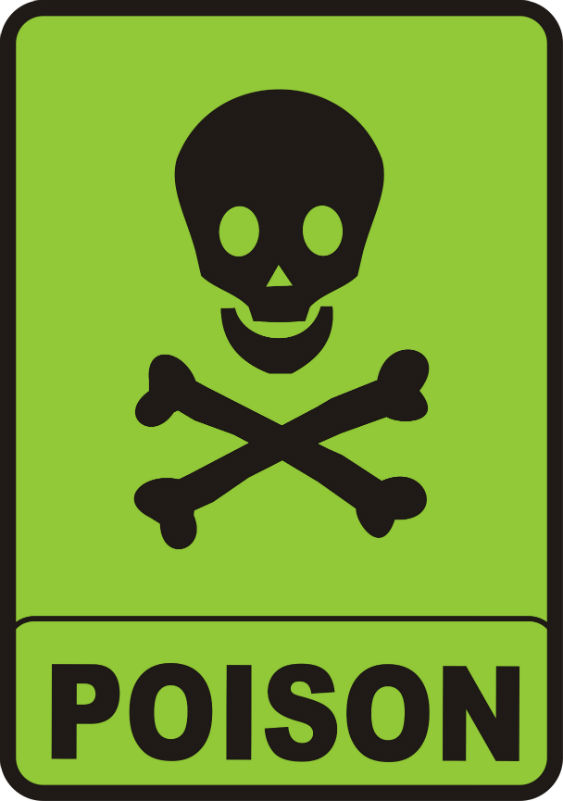
carbon-monoxide-poisoning-picture-poughkeepsie-ny-all-seaons-chimney-sweep

Any time combustion occurs, tiny molecules of carbon monoxide form in high concentrations. Fuels of any kind can produce carbon monoxide, as long as combustion takes place. Therefore, charcoal grills, wood stoves, lanterns and car exhausts all release carbon monoxide into the air. For this reason, each of these appliances should never be used inside without properly venting it, like a wood stove with a chimney. Otherwise, the space can fill quickly with carbon monoxide and you may not realize it until it is too late. Carbon monoxide has no color, smell or taste, so the only way to know it is present is with a special carbon monoxide detector. Relying on the detector and its batteries has its own risks, so the best way to prevent danger is by keeping your heating appliances serviced and up to date.

Carbon monoxide poisoning becomes evident with issues like shortness of breath, lightheadedness, nausea and even unconsciousness. Eventually, the organs will begin to fail and death could ensue if the body receives no fresh air. At the very first sign of poisoning, you must move everyone from the space to an open outdoor area, and then call for emergency help from there. Failure to remove yourself from the enclosed space could result in unconsciousness, which makes survival much less likely.

This tiny molecule deserves respect and must be treated as the large health threat that it is. Maintaining your fireplace and stove is a good start to avoiding the dangers of carbon monoxide poisoning. Every time the fireplace or stove burns, it continuously emits carbon monoxide. For this reason, it is imperative that the chimney is free of any obstructions. Built up creosote or even animals and nests can stop or dangerously slow the movement of vapors in the chimney, so have a chimney expert out at least once every year to sweep and inspect the chimney. Also ask to have a chimney cap installed to prevent animals from nesting inside the chimney. Another good measure to take is burning only well seasoned wood, which cuts down on the production of creosote, the thick and tarry material that can build up in the chimney.

Protect your home and family from the dangers of carbon monoxide. Simply have your local chimney specialist sweep and inspect your chimney at least once every year. If you live in the lower Hudson Valley area, trust your chimney to All Seasons Chimney. These professionals can help ensure a warm, safe home this winter.
Reasons to Insulate the Chimney Liner

Weather experts have predicted the upcoming winter to be as brutal as the previous year, which means everyone should start preparing now. For many homeowners in the Hudson Valley area, staying warm might involve lighting a fire in the fireplace or stove, and this type of heating requires special care and attention to ensure a safe winter season. Chimney specialists recommend having a chimney sweep and inspection done annually. The sweep cleans out any obstructions and creosote buildup, while the inspection uncovers any safety or structural issues in the chimney, like a missing or non-insulated chimney liner.

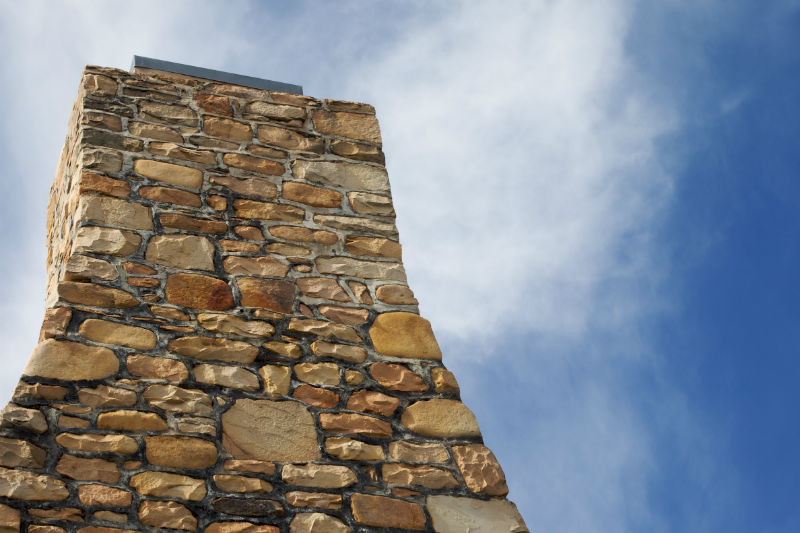
insulate-chimney-liner-poughkeepsie-ny-all-seasons-chimney

First and foremost, having a liner inside the chimney is crucial for keeping the house protected against the heat of the fire, whether it burns wood or gas. In a study done by the National Bureau of Standards, a fire burning beneath an unlined chimney resulted in the adjacent woodwork catching fire in less than four hours. Essentially, one evening of enjoying a warm, crackling fire could end in a disastrous house fire if the chimney has no liner.

While having a chimney liner does provide a measure of protection, taking one more step and insulating the liner offers even more benefits. In fact, insulating the chimney may be necessary for safety reasons, especially if the clearance to combustibles cannot be determined. The clearance to combustibles refers to the proper distance from the chimney liner to the flammable construction materials used to build the home to avoid an unintentional fire. If the chimney’s structure prohibits this distance from being determined, the safest option is to assume the liner and combustibles are too close together and to insulate the liner as protection. The insulation prevents the extremely hot liner from resting on or sitting too closely to any wood, drywall or plaster and causing a fire.

Another major advantage to an insulated liner is that it maintains a warmer temperature inside the chimney. In particular, exterior chimneys that have at least one side exposed to the elements benefit from this because the cold temperatures do not have such a drastic effect on the chimney temperature. The same goes for portions of the chimney that extend above the roofline, where the entire chimney feels the cold weather. When chilly temperatures are allowed to cool down the interior of the chimney, the smoke products of the fire also cool down and condense onto the inside of the chimney. For wood-burning appliances, this condensation involves thick, tarry creosote, which increases the risk of an unintentional chimney or house fire.

A warm, insulated chimney also means the fire burns more efficiently. None of the energy from the fire is wasted on warming up the chimney and creating the initial draft. Instead, the fire can start hot and burn for a longer amount of time, which ultimately saves money in fuel efficiency.

To determine if your chimney has an insulated liner or to have an insulated liner installed, get in touch with your local chimney expert. For those living in the lower Hudson Valley area, contact All Seasons Chimney for a professional consultation.