After a relatively mild start to the season, winter weather has made quite an arrival. Dramatic falls in temperature have driven everyone indoors, working hard to stay warm. For some homeowners, keeping warm in sub-freezing temperatures might involve starting a toasty fire in the wood stove or fireplace. In order to keep these heating appliances safe and functional, they need some regular maintenance. The chimney, in particular, requires a good sweep every year. If it has been more than one year since the last chimney sweep, make it a New Year’s resolution to have it swept soon.
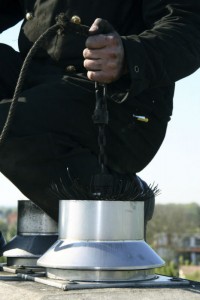 Experts from the National Fire Protection Association say chimneys must be swept at least once per year. For fireplaces and wood stoves that receive a lot of use, the association recommends more frequent sweeps. Chimney sweeps serve a couple vital functions to maintain the safety of the chimney and fireplace. The first role is to remove the creosote buildup inside the chimney. A product of burning wood, creosote is a black and tarry substance that rises through the chimney with the smoke and condenses on the interior surface as it cools. The residue builds on itself with every new fire and can even become so thick that it blocks the air flow through the chimney. A more ominous problem presented by creosote is its high flammability. A stray ember can ignite the creosote, resulting in a chimney fire. Because it burns many times hotter than wood or gas fires, the creosote fire can be difficult to extinguish, as well. Fortunately, chimney fires like this can be prevented by having a chimney sweep performed at least once every year.
The other function of a chimney sweep is to check for and remove any obstructions. A lot of different debris can unintentionally end up stuck in the chimney, but a common issue, especially in the winter months, is animal nesting. With the cold weather, animals like birds and squirrels are on the lookout for a cozy spot to escape the elements, and to them, a warm chimney can seem very ideal. However, this causes some problems. An animal or even just its nest in the chimney can block or greatly reduce the air flow, meaning the smoke and other toxic gases from the fire cannot properly vent out of the house. Instead, the gases flow back into the house, filling the living area with toxins like creosote and carbon monoxide. A simple chimney sweep can locate and clear out dangers like animals in the chimney, preventing health threats from these poisons.
If your chimney has gone over one year without a sweep, or if you suspect it needs some extra attention, do not hesitate to contact a chimney specialist. In fact, this New Year’s resolution could save your life. In the lower Hudson Valley area, contact All Seasons Chimney to schedule a chimney sweep.
