Company Blog

Preparing Your Fireplace for Cold Weather

Using your wood-burning fireplace can be a great way to cut your heating costs during the winter, but is your fireplace ready to be used? In order for your fireplace and chimney to work as efficiently and as safely as possible, you need to undergo some simple preparations to get the system ready for cold weather. To help you get prepared for winter, All Seasons Chimney would like to share with you some tips from This Old House.

prepare-fireplace-cold-weather-image-poughkeepsie-ny-all-seasons

Schedule a professional chimney sweeping and inspection.

Before you light the first fire of the season, it is recommended by many national fire safety organizations to have your fireplace and chimney professionally cleaned and inspected. This maintenance task will ensure that you do not need any essential repairs and that your chimney is free of soot and creosote.

Ensure your chimney is properly capped.

Our chimney sweeps at All Seasons Chimney can check out the condition of your chimney cap to see if it needs repairing or replacing. If you need a new chimney cap or if your chimney is not capped, we can install a new one to protect your chimney from water from rain and melted snow as well as from birds and animals.

Stock up on seasoned firewood.

If you do not cut and season your own firewood, find a trusted and reputable dealer in your town who sells seasoned (dried) firewood. Typically, the wood should have been cut and stored for at least six months to be sufficiently seasoned. This kind of wood will allow you to burn less wood and produce less creosote.

Get a spark guard.

To keep hot embers from jumping out of the fire to burn someone or ignite a fire, install a mesh metal screen or glass fireplace doors. This is an excellent accessory for fire safety, especially if you have young children.

Practice the best wood burning tips.

Do not overstuff your firebox with wood. Fires that are too hot can damage or crack the chimney as well as produce a large amount of creosote. Place logs at the back of the fireplace on a metal grate, and use kindling to start a fire.

Need more winter preparation tips for your fireplace and chimney? Contact us at All Seasons Chimney to learn safe and efficient wood burning practices.
Why Wood-Burning Stoves Need to Be Professionally Installed

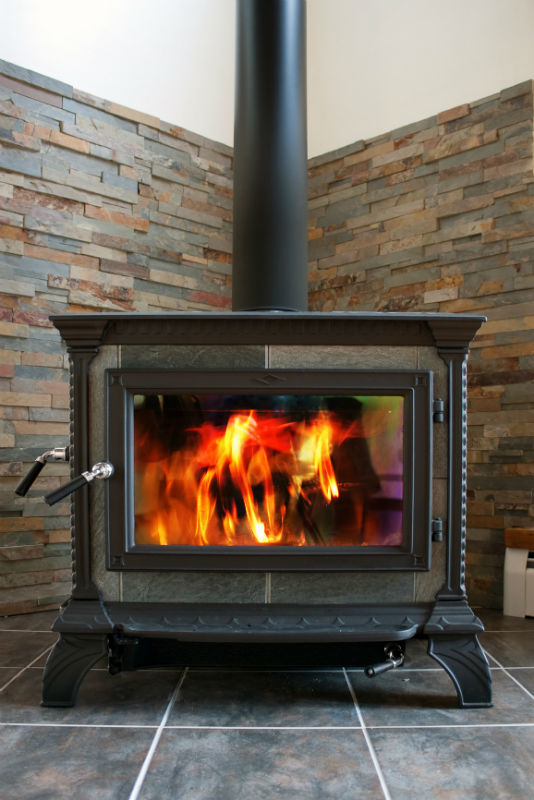
Want to save money on your heating bills this winter? Convert your traditional fireplace into an efficient heating appliance with a wood-burning stove. Many people think that they need to switch fuel types to gas to heat more efficiently, but newer technology allows stove manufacturers to create wood-burning units that are even approved for use by the U.S. Environmental Protection Agency (EPA). However, problems can quickly arise to the point of hazardous situations if the stove has not been installed by professional fireplace and chimney technicians, like our staff at All Seasons Chimney. We would like to tell you more about why wood-burning stoves need to be professionally installed to guarantee proper and safe operation.

wood-stove-professional-install-image-poughkeepsie-ny-all-seasons

Why exactly is professional installation so important for wood-burning stoves?

The main installation issue that occurs when installing a new stove into a masonry fireplace deals with the difference between the sizes of the chimney’s flue and the stove’s vent. According to the Chimney Safety Institute of America (CSIA), wood stoves operate at their safest and most efficient when attached to a chimney whose flue size most closely matches the size of the vent pipe that connects the stove to the chimney. The chimney professionals at All Seasons Chimney can ensure this by installing a stainless steel liner from the top of the stove to the top of the chimney.

Are there building codes concerning wood-burning stove installation?

Yes, since 1984, national building codes and standards have required that the connector vent pipe extend from its outlet on the stove, up through the fireplace damper, and to the first flue tile of a masonry chimney. Today, it is recommended to install a stainless steel liner that extends the length of the chimney, from the stove to the top of the chimney.

What kind of problems arise when the flue is not the right size for the stove?

Most often, the flue of a masonry chimney will be much larger than the wood-burning stove. This causes cooler temperatures in the upper walls of the chimney, which sets up the perfect environment for the rapid production of creosote. Occurring naturally as part of the process of burning wood, creosote is highly hazardous and flammable. It can accumulate into dangerously large deposits when the upper walls of the chimney are cool. Cooler chimney walls means more condensation, which means more creosote. This increase in moisture can also leak into the bricks and mortar of the chimney where it can cause expensive damage. A stainless steel liner not only reduces the amount of creosote, but it can also prolong the life of your chimney by protecting it from heat deterioration and corrosion.

You can save a lot of money with a new wood-burning stove, but to save this money, you need to have it professionally installed. Contact us at All Seasons Chimney to learn how we can help you heat your home more efficiently this winter.