Enjoying cozy warm fires is a favorite pastime of many, and knowing the best safety tips for operating your fireplace helps you to truly relax in front of the fire. At All Seasons Chimney, we place a high value on safety, and we would like to share with you some fireplace safety tips from the Hearth, Patio & Barbecue Association (HPBA) so that you can reduce the risk of an accidental fire in your home this winter.
Preventive maintenance is very important for several reasons.
Benjamin Franklin once said, “An ounce of prevention is worth a pound of cure,” and when it comes to your fireplace and chimney, this saying could not be more true. Having your chimney professionally swept and inspected every year before you light the first fire of the season ensures your chimney will work properly and efficiently over the winter. Other preventive actions to take include installing smoke and carbon monoxide detector alarms throughout your home, having a fire extinguisher on hand, and making sure the area around your fireplace is clear from flammable items.
Follow these tips when lighting a fire in your fireplace.
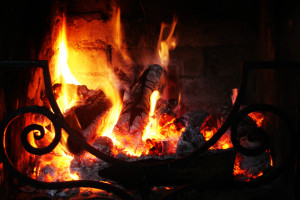
Open up the damper as wide as possible, and be sure that any buildup of ashes have been removed. Place discarded ashes in a metal container with a lid, and keep this container outside on a non-combustible surface. Build a safe fire by placing the largest pieces of firewood on the bottom and the smallest pieces of kindling on the top. Use your fireplace tools to tend to your fires, and always keep the firescreen closed when a fire is burning. You can use wadded up newspaper to help you get a fire started, but try not to overdo it.
Use common sense as you operate your fireplace.
Only burn seasoned firewood (wood that has been allowed to dry for at least six months after being cut) in your fireplace. This means you should never burn trash, plastic, or charcoal in the fireplace. Refrain from using liquid accelerants including gasoline to help light a fire. Never leave a fire unattended, especially if children and pets are in your home. A screen should be set up in front of the hearth area as well to protect kids, dogs, and cats from getting too close to the fire. You should also always be sure that a fire has been completely extinguished before closing the damper and going to bed for the night.
If you need more safety tips for operating your fireplace this winter, contact us at All Seasons Chimney. We are happy to help you reduce your risk of an accidental house fire.
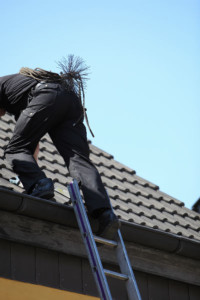 As we approach the end of the year, it is time to start thinking about the resolutions we want to make for the next year. All Seasons Chimney would like to suggest an important resolution: keeping up with the essential maintenance tasks of your chimney. While many feel they are saving money by ignoring chimney maintenance issues, neglecting your chimney can be even costlier than the expense of taking care of it. In order for your fireplace and chimney to work efficiently and safely, you must maintain this system. We would like to tell you the most important chimney maintenance tips you should follow during the next year.