 If you heat your home with an oil-fired furnace or boiler, you need to know how important it is to have its chimney cleaned and inspected every year. Many people think that since it is not a fireplace, their chimneys do not need to be maintained in the same way, but the acids that are produced by your furnace or boiler can be harmful to the flue. These chimneys can also become clogged with soot and force toxic gases like carbon monoxide back into your home. To keep your furnace or boiler working efficiently and safely, you need to have its chimney swept and inspected as well as having the appliance itself serviced every year. All Seasons Chimney is proud to offer chimney maintenance services for furnaces and boilers, and we would like to share with you some information from the Chimney Safety Institute of America (CSIA) about why it is important to have this service done.
I have my furnace serviced every year by an oil service technician. Isn’t this the same thing as having the chimney inspected?
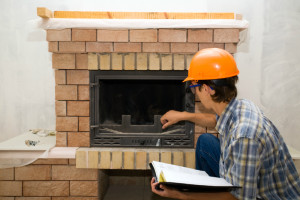
While your oil service technician may shovel out the base of the chimney and brush out the pipes that connect your furnace to the chimney, he probably will not clean the actual chimney. He may tell you your furnace is okay without even inspecting the chimney. When All Seasons Chimney inspects your chimney, we will not only inspect the interior of the chimney, but we will also go up to the roof to check out the exterior of the chimney, including the chimney cap and the flashing system.
How the acidic gases produced by my furnace or boiler damage my chimney?
If you have a stainless steel liner, the sulfuric acid reaction to the soot produced by your furnace or boiler can cause small holes to form, which can make your liner unsafe to use. These tiny holes allow the toxic byproducts of combustion to leak back into your home. The same thing can happen to a clay tile liner. All Seasons Chimney will remove the soot deposits on your liner which can prevent the sulfuric acid reaction from occurring and damaging your liner.
What can I expect from this maintenance service from All Seasons Chimney?
When we arrive to your home to sweep and inspect your chimney, we will begin by setting up our equipment and sealing off areas of your home that may allow soot to enter. We will disconnect the pipe that connects your appliance to the chimney, sweep it, and reconnect it. We will then inspect the exterior of your chimney, sweep the chimney to loosen and remove the soot deposits, and then inspect the interior of the chimney. After we have finished our service, we will restart your furnace or boiler for you.
If you have an oil-fired furnace or boiler, you should not neglect its chimney. Contact us at All Seasons Chimney to schedule a sweeping and inspection of your chimney to be sure your appliance will work efficiently and safely.
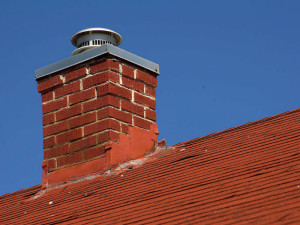 Knowing the names and functions of the different components of your chimney system can be very helpful when a problem arises. Our staff at All Seasons Chimney always appreciates having as many details as possible when you call us to tell us about a chimney problem, and sometimes we can even troubleshoot the problem over the phone if you are able to tell us exactly which part is malfunctioning. We do understand, however, if you are unfamiliar with the anatomy of your chimney, which is why we would like to share with you more information about the different components of your chimney.