Company Blog

Creosote & Chimney Fires: Everything You Need to Know

Owning a fireplace is a dream for many, which is likely why fireplaces are on so many people’s home-buying wish lists! And despite gas systems being mess-free and convenient to use, there are lots of homeowners who still prefer the classic ambiance of a wood-burning fireplace over any other options on the market.

We get it – it’s hard to beat the sounds and smells of crackling firewood, and it creates an aesthetic that is simply impossible to replicate.

That said, with these wood-burning systems comes responsibility, and if they aren’t properly maintained, you’ll experience a lot of inconvenient and potentially dangerous situations.

One threat we’d like to elaborate on is the risk of chimney fires. Learn more about the causes and signs of chimney fires (and how to avoid them) by reading below, then call on us for all of your chimney and fireplace needs. All Seasons Chimney has got your back!

The Dangers of Creosote

Now, the biggest cause of chimney fires is excess creosote accumulation throughout your flue.Creosote & Chimney Fires - Poughkeepsie NY - All Seasons Chimney
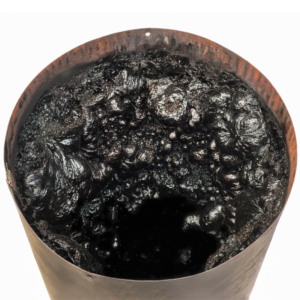
What is creosote? Creosote is black or brown substance that forms from the byproducts of burning wood. As these water vapors, gases, unburned wood particles, and other assorted minerals make their way to the top of your flue, they’ll cool down, which causes condensation to form. This results in sticky residue (creosote) clinging to your chimney’s interior walls.

Creosote comes in a few different forms. It can be light and flaky (the easiest to remove), tar-like and sticky, or glazed and glossy. One thing all forms have in common is flammability, which means that if you have enough of it (and your internal flue temps are high enough), you’ll be more at risk of experiencing a chimney fire.

Some wonder if it’s possible to avoid creosote from forming altogether. Unfortunately, as long as you’re burning wood, at least some creosote will form in your flue. The good news is that you can slow the rate at which it accumulates by maintaining good draft and airflow, keeping your chimney warm (a top-sealing damper is great for this), and using only properly seasoned wood in your fires.

Signs of a Chimney Fire

Now, it probably goes without saying that using your fireplace after a chimney fire is a big no-no. But at least, you’ll know for sure that you’ve had a chimney fire, right? They’re surely loud, obvious events?

Unfortunately, no. Some are noisy and explosive, but the majority are actually slow-moving and occur quietly without the homeowner even knowing something is amiss.

This is an unsettling thought, as one could continue using their system, totally unaware they’re facing a lot of risks (like house fires or carbon monoxide exposure) by doing so.

Because of this, we encourage our customers to note these common signs that a chimney fire has occurred:

  • You have puffy, honey-combed creosote in your flue.
  • Your chimney cap, damper, tv antennae, and other metal components on or near your chimney are warped and discolored.
  • You notice smoke escaping through your mortar joints when operating your fireplace.
  • Your flue tiles are cracked or missing big chunks.
  • You notice creosote flakes on your roof or even on the ground outside of your chimney.
  • Your roofing materials show signs of damage.
  • There are cracks and gaps in your exterior masonry.

Avoiding Chimney Fires
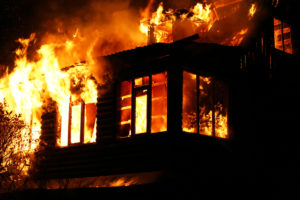
chimney house fire

Getting repairs done as soon as possible after a chimney fire is a must, but the best route would be to avoid them from ever occurring in the first place. The best way to avoid a chimney fire is to schedule regular chimney maintenance. This starts with annual inspections, which give your sweep the opportunity to check for creosote, clogs, and any other issues that may hinder performance or safety.

Next, don’t wait to schedule necessary chimney sweepings! If your chimney tech says you have dangerous levels of creosote present, using your fireplace will put your home and family at great risk. Get your sweeping booked right away, and don’t light any fires until it’s completed.

And be sure you’re only hiring the best for the job. Here at All Seasons we have 25 years of experience serving Poughkeepsie and its surrounding areas, we’re fully insured, we’re CSIA-certified, and we have an A+ rating with the BBB. If you want the job done right, we’re the team to trust!

Reach Out Today With Your Chimney Concerns

Whether you’re concerned about creosote levels, think you may have experienced a chimney fire, want to schedule a sweeping, or have any other chimney or fireplace-related concerns, please reach out today to get in touch with our team. We’d love to help you out through it all!
When is HeatShield the Best Option?

When homeowners are told that their chimney liner is in bad shape, they typically brace themselves for the worst in terms of cost. ReliningAll About HeatShield - Poughkeepsie, NY - All Seasons Chimney work is extensive and it usually takes a lot of time, materials, and manpower to get the job done, so you can expect to put a big dent in your bank account by the time it’s all over.

Fortunately, there might be another option if your system isn’t too far gone. For many of our customers, using HeatShield is just as effective for keeping your set-up safer, and it can cost significantly less than a full relining job.

Learn more about HeatShield below and what to look for in terms of liner-related damage. Have questions? Don’t hesitate to call! The team at All Seasons Chimney is available to answer any inquiries, and we can even set up an appointment to inspect your chimney and fireplace to see where you stand. Reach out now to get started!

All About HeatShield

HeatShield is a ceramic material that’s pumped into the missing mortar joints and cracks throughout your chimney’s interior structure. It has the power to bring your chimney back to its original design, and it even serves as a sturdier option than the flue tiles themselves. In the end, you’ll be left with a smooth streamlined design, free of any voids, cracks, or crevices.

In other words, it fixes the straw effect! What’s the straw effect? Well, when you put a new straw into a drink and try to use it, you shouldn’t have any problems filling up your tasty beverage, right? But if that straw is cracked or has holes, trying to get whatever you’re drinking into your mouth will take a whole lot of effort (and might not even be possible).

Chimneys work similarly. The smoke that forms in your firebox goes up, and if it hits cracks and missing mortar joints, your system won’t be able to draft properly. The smoke (along with any other vapors) won’t get to the top of the chimney, and you’ll be left with harmful fumes entering into your home through any crevice they can.

Now, obviously the best way to combat the straw effect is to fill those holes! That’s where HeatShield comes in. Work with us today to ensure the best results possible. Before you know it, you’ll be using your chimney with the ease and peace of mind you deserve this holiday season!

When Will HeatShield Not Cut It?

When exactly is HeatShield not going to work? Well, if your tile pieces are completely missing from your liner (which isn’t common, but it can happen), then you’ll need to shell out money for a bigger job.

You see, each flue tile is laid similarly to brickwork. The mason lays it, puts on mortar, builds the chimney up with bricks, then repeats the process, so that there’s a new flue tile every two feet. If the tile is missing, you’re looking at some major voids that not even HeatShield could adequately fill. In these cases, we’ll need to discuss some relining or reconstruction options.

That being said, with most of our customers, their tile is still intact enough to use HeatShield, so don’t hesitate to reach out if you think this may be your best option! As long as big pieces aren’t missing altogether, we can likely still use HeatShield on your system. This is also a big reason why calling sooner, rather than later, is always a better bet.

Costs & Potential Savings

If you find yourself trying to decide between HeatShield and a total restoration, let us assure you that HeatShield is just as effective and it’ll be about one-third of the cost (think $15,000 vs. $5000). A full relining job will also take up a lot more of your time, and we’ll need to schedule multiple days of labor. HeatShield is definitely the quicker, more affordable option, which is always welcome this time of year as the holidays fast approach.

Also, keep in mind that any vertical crack is evidence of chimney fire, and your insurance company will pay for this if documented correctly. We work with insurance companies all the time, and we would be happy to help with this process.

How Do I Know Whether My Tiles Are Intact?

The best way to determine if your chimney’s tiles are in good enough shape for HeatShield is to schedule an inspection with our team. We have high-quality camera equipment that we can snake up the chimney to get an in-depth and up-close look at it all. We’ll run our rotating interior camera from bottom to top and then from top to bottom to ensure not one area of your chimney is missed.

We even encourage our customers to have a look at the video! That way you can see firsthand what shape your chimney is in and the damage that needs addressing. In the end, there can’t be any cracks, holes, or gaps if you want to use it safely.

Experienced, Certified & Here for You Every Step of the Way

We have been in the chimney business for over 25 years, and we’ve seen just about everything in terms of chimney damage. Worried your system is too far gone? Call on us! We’ll take a look and lay out all of your options – the solution might be easier than you think!

A crackling fireplace can turn a gloomy winter day into a cozy, peaceful evening, so reach out now, so you’re all set for the holiday season. We’re trained, certified, and here to offer the best results around.