
If you’re purchasing your firewood every year, it can be hard to know if you’re actually getting the best fuel possible. You can always look for wood that’s dark and split at the ends, lightweight, and sounds hollow when smacked against another piece (all signs that plenty of water has already escaped), but even the best-looking pieces can be deceiving.
If you want to take the guesswork out of all it, your best option is going to be to store and season your own. And since firewood takes at least six months to properly dry out, this is something you’re going to want to start thinking about soon!
New to the wood seasoning game? No problem. Our team of experts has your ultimate guide for seasoning and storing your own firewood, so you get the best fireplace experience possible when temps cool down again in the fall and winter time months.
Cutting & Splitting Your Firewood
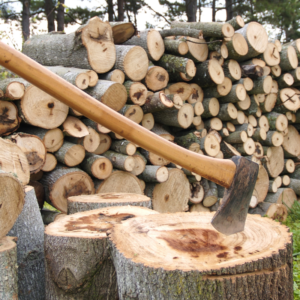 So, first things first, you’ll need to ensure you’re cutting and splitting your wood appropriately. When cutting your wood, each piece should be cut to the same length, so that all your logs are easier to stack. You’ll also want to ensure they’re cut to shorter lengths, so that they dry out faster and actually fit in your stove or fireplace.
Once your wood is cut, we suggest splitting the ends of the logs. Essentially, the more surface area that’s exposed to the sun, heat, and wind, the quicker and more effectively it will dry out.
Finally, some weigh their firewood after cutting it. Since water in wood makes it heavier, this offers the ability to reweigh it throughout time to see if the water is evaporating out. Once it weighs about one-third of its previous weight, it should be good for use in your fireplace.
Storing Your Firewood
Now, you can do everything right when cutting your wood, but if you don’t stack it and store it correctly, all that hard work will be out the window. Your firewood needs to be stored in a way that ensures it’s protected from rain, snow, and bad weather, but also exposed to sun rays and wind, so it dries out in time for the fall burning season.
A shed that’s situated off of the ground with open sides and a sturdy roof is ideal. This set up ensures your wood pile gets adequate exposure to heat and wind, while staying protected on those rainier days.
That said, we get that not everyone has access to a structure of this type. If that’s the boat you find yourself in, we suggest following these tips.
- Store your firewood off the ground. Pallets, concrete blocks, and even gravel can all work great for keeping the bottom of your wood pile away from the moisture in grass and soil.
- Store the wood away from your home. Shoot for a spot that’s convenient for you to access, yet still a ways away from your house. This ensures you avoid inviting any pests and/or bugs into your home.
- When the weather’s bad, cover your wood pile with a tarp. That said, only cover the top 1 or 2 feet of the pile! Any more than that, and you’ll cut off air circulation and any moisture will just get locked in.
- Store your wood in a sunny area. The more sunlight it gets, the faster it will dry out!
Ready to Stack?
Got the perfect spot for wood storage? Great! Now, it’s time to start stacking. When stacking, be sure to start out with the larger logs on the bottom. This will keep your stack sturdier, so it doesn’t accidentally tumble down on windier days.
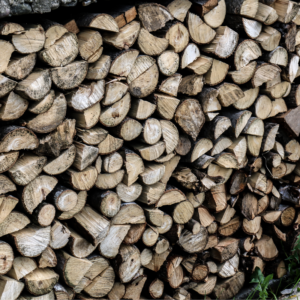 You’ll also want to fit your logs together, so that they create a stable pile (kind of like fitting a puzzle together), while still allowing for some gaps and openings for air circulation. Line up the ends, and make sure they’re nice and exposed and that your stack is even and not teetering.
Finally, we recommended stacking your log pile no higher than four feet. This ensures the logs won’t shift and cause a huge tumble, and it reduces the risk of wood falling on your little ones and pets, too.
How Long Can Wood Be Stored?
So, let’s say you’ve successfully seasoned your own wood and gotten through your burning season, but you’ve still got a lot left over. Is it okay to hold onto these logs for the next year or so, or can wood eventually become too old to burn?
So, yes, wood can eventually become too old and not burn as well, but the good news is that this takes a few years. If you have logs leftover at the end of your burning season, you should be fine to hold onto them for the next year! Properly stored wood lasts for around 3-4 years. Just be sure you’re rotating the older pieces out first.
Need Care As We Approach Spring? Call Today!
Spring is about a month away, and with that comes the end of many of our burning seasons. If you need chimney or masonry repairs, spring and summer is the ideal time to get it done, so why not reserve your spot with us now?
Call today or reach out online to set it up. We look forward to hearing from you soon!
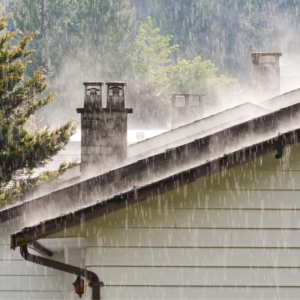 Well for one thing, your masonry itself will start breaking down. You’ll notice all sorts of decay and deterioration, and your mortar joints will begin to crack and crumble, too. Before you know it you’ll likely need parts of your brickwork replaced, as well as tuckpointing services completed, to get your masonry looking good and standing strong again. And using your fireplace before having these addressed can put you at serious risk of experiencing exposure to harmful fumes or even house fires.