Have you noticed some aerial visitors entering your chimney? Or perhaps some strange noises coming from your flue? You might be playing host to chimney swifts. Fortunately, with a bit of attention, the effects of their visit can be remedied after they’ve flown the nest, and they should cause no long-term damage.
What are swifts? And, more importantly, when will they leave? We’ve got answers to all of your questions below.
What Are Chimney Swifts?
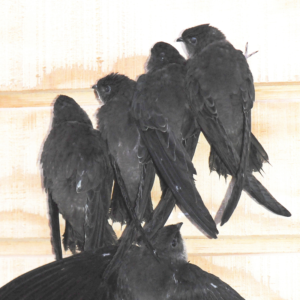 Chimney swifts are migratory birds that return here to the eastern United States every spring. They’re related to hummingbirds and can be identified by their small gray bodies, curved wings, and shallow wingbeats. Notoriously acrobatic flyers, these little creatures spend most of their time in the air – eating, drinking, and even bathing on the move.
With very short legs and long claws, chimney swifts don’t perch like robins or sparrows do. Instead, their legs are perfectly suited to roost on the walls of rough, vertical surfaces with the help of their stiff tails.
Hollow trees used to be the nesting place of choice for chimney swifts. However, as old trees are removed and their natural habitat has diminished, they’ve tended to take up residence in other structures they find homey – namely, chimneys. The masonry of your chimney makes an ideal roosting surface, so they’ll make themselves comfortable, roosting and building their nests with twigs and their sticky saliva in your flue.
When Will Chimney Swifts Leave My Chimney?
Chimney swifts are protected under the federal Migratory Bird Treaty Act, so they can’t be removed from your chimney once they enter – and neither can their nests or eggs. This international conservation treaty helps sustain populations of the species they protect, including chimney swifts, so a federal permit is needed to remove them during nesting season.
So, here’s the big question – when do they leave?
They arrive in North America in the spring and should be on their way out around the first or second week of October.
These little birds are in town to mate and nest. Once this season is over, they’ll leave to winter in warmer, South American climates.
Young swifts are capable of flight about thirty days after hatching. They arrive in North America in the spring and should be on their way out around the first week or second of October. While your chimney has been useful to the swifts for the summer, it should be available again for your use again – with a bit of maintenance – just in time for the chilly fall and winter seasons.
So… you’ve settled in to wait them out. What can you expect?
Sharing Your Space With Chimney Swifts
If you’re sharing your chimney with chimney swifts, never fear. They’ll only be there for a season. And while they won’t be doing dishes or helping with laundry, they may earn their keep by helping with pest control during their stay – they eat about one-third of their body weight in insects every day!
You can also expect a bit of noise and potentially some odor or mess from your guests. As a matter of fact, the noise may be what tipped you off to their presence in the first place. The adult birds don’t make too much noise, but once the babies are old enough to be heard you’ll likely be unable to miss their shrill, noisy chirps as they beg for food.
If the noise of the chimney swifts is bothersome to you, remember that it’s temporary. Once capable of flight, they’ll hunt on their own and the chittering should stop. They’ll be loudest in the last two weeks before leaving the nest, so if you’re already hearing them, they should be on their way out soon.
They’re Gone… Now What?
Like any other animal, chimney swifts tend to the business of life. Their droppings, feathers, and nesting materials will be present where they’ve established nests. These leavings are dangerous and can cause respiratory infections and create fire hazards, which is why it is important to have your chimney swept and inspected after the chimney swifts have vacated it – and then on an annual basis.
 Our specialists will be sure your chimney is clear, safe, and ready for you to begin using and enjoying your fireplace again. If disorderly chimney guests have made any repairs necessary, we’ll be able to call your attention to that as well, and give guidance on any steps that should be taken to ensure proper use of your chimney as intended.
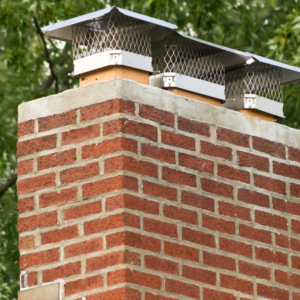
Finally, make sure you have a well-built and securely fitted chimney cap in place. These will keep birds, squirrels, insects, and other critters and debris that create blockages out of your chimney in the future, as well as rainwater that can cause costly water damage. This investment will pay for itself – its preventative power can save homeowners from costly repairs and stress.
Reach Out to All Seasons Chimney
Recently bid chimney swifts farewell? Or are you simply wanting to ensure your fireplace is in tip-top shape to warm your evenings? Give us a call at 845-762-0351 or reach out online now to get your inspection on the books!
 The
The  It’s easy to share your experience with businesses nowadays, and many customers do. A quick search will generate first-hand feedback about a company you’re considering hiring that’s based on real customers’ experience. Is the provider helpful? Knowledgeable? Courteous, efficient, and clean? Their clients will know, and they can provide valuable insight with just a few clicks.